
The Impact of Climate on Your Paint Job
Painting the exterior of your home is a significant investment. The quality and longevity of that paint job depend greatly on the weather conditions during application. Temperature, humidity, and wind can all affect how paint adheres to surfaces and dries over time. Understanding these elements can help you choose the best time for painting and ensure durable results.
The Role of Temperature in Painting Success
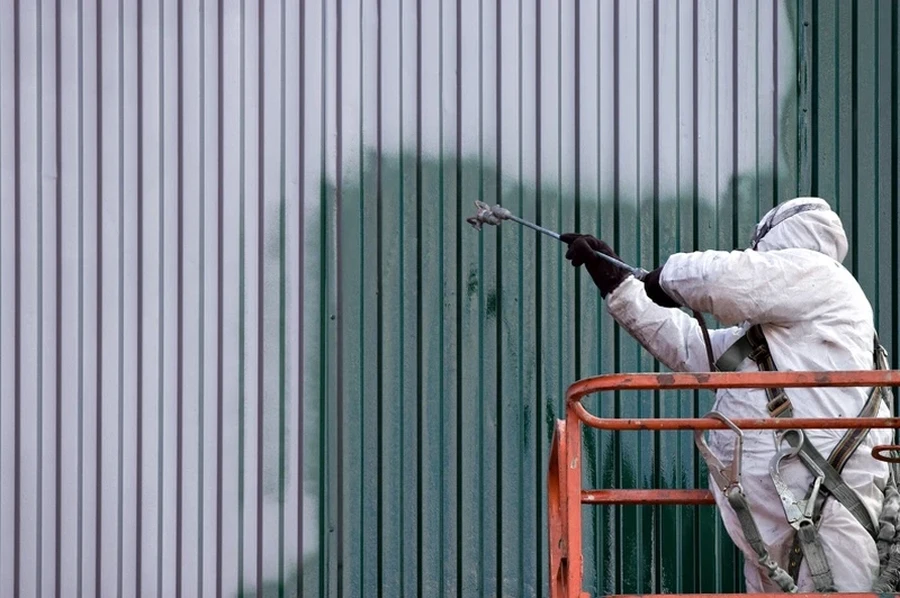
Temperature is crucial when planning exterior painting services. If it’s too hot, the paint may dry too quickly, leading to cracks or uneven application. On the flip side, if it’s too cold, the paint might not adhere properly. Ideal temperatures for most paints range between 50°F and 85°F, providing the right conditions for the paint to bond with surfaces effectively.
How Humidity Affects Paint Application
Humidity levels also play a key role in determining the success of your painting project. High humidity slows down the drying process, which can lead to issues like blistering or peeling after application. In contrast, very low humidity can cause the paint to dry too fast, impacting its finish. Ensuring moderate humidity levels will help achieve a smooth and lasting finish.
The Effect of Wind on Exterior Projects
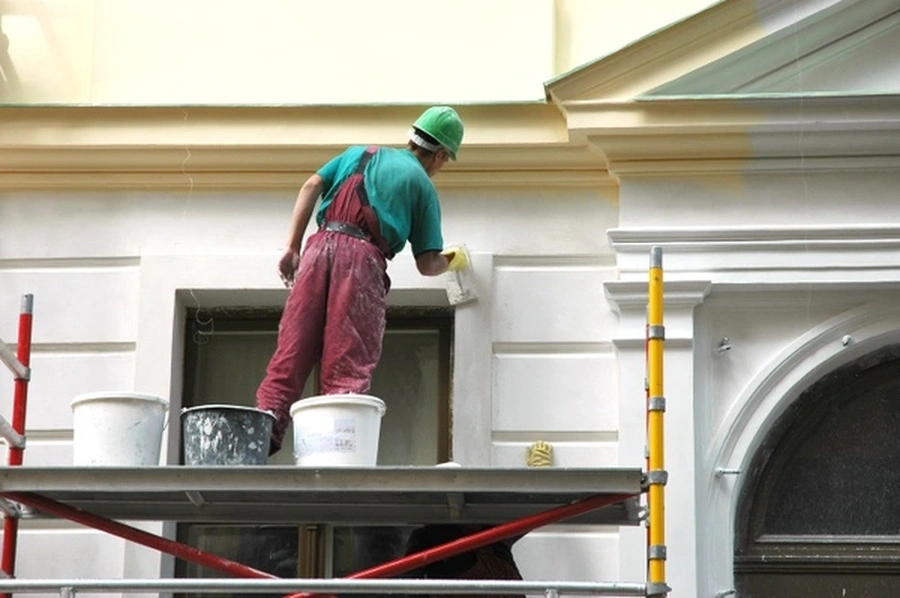
When considering exterior painting services, don’t overlook the impact of wind. Strong winds can lead to uneven application as they may blow dust and debris onto wet paint surfaces. This results in an unclean finish and potential damage over time. It’s wise to plan your painting project when calm weather is forecasted.
Choosing the Right Season for Painting
Selecting the optimal season for your painting task ensures better results. Spring and fall are typically ideal due to their moderate temperatures and lower humidity levels. These seasons offer stable weather conditions that allow paint to cure properly and extend its lifespan.
Planning Around Weather Forecasts
Before starting any painting project, always check local weather forecasts. Avoid scheduling work when rain or drastic temperature changes are expected within 24 hours. This precaution helps safeguard against premature washouts and ensures each coat has adequate time to dry.
- Select sunny days for quicker drying times
- Avoid windy days to reduce dirt contamination
- Check for consistent temperatures over several days
Understanding Paint Types and Their Weather Needs
Different types of paints have specific requirements concerning weather conditions. Oil-based paints often require warmer temperatures compared to latex paints, which are more forgiving with slight variations in weather. Knowing these differences helps in selecting materials that suit your climate.
- Choose paint based on climate compatibility
- Understand curing times for different paints
- Consider long-term exposure effects of chosen paint type
The Importance of Hiring Professionals
Hiring professionals knowledgeable about weather impacts can make all the difference. Skilled painters understand how various factors influence results and can adjust techniques accordingly. This expertise leads to a flawless finish and maximizes the lifespan of your paintwork.
Creating Lasting Impressions With Quality Paintwork
Weather considerations are paramount in ensuring high-quality exterior finishes. By understanding these factors and working with experts, you enhance your property’s appearance and protect it from environmental wear over time. Located in Aurora, IL, we provide exceptional service tailored to meet your needs. Call (331) 239-0687 to schedule your consultation today. Trust Bright Wall Painting for reliable outcomes that leave lasting impressions.